Blog
Designing Puzzle-Based LLM Security Challenges for K-12 Students
A recap of my organizer and contributor role in a June 30, 2026 K-12 LLM security hackathon focused on prompt injection, jailbreaking, overthinking, and RAG poisoning.
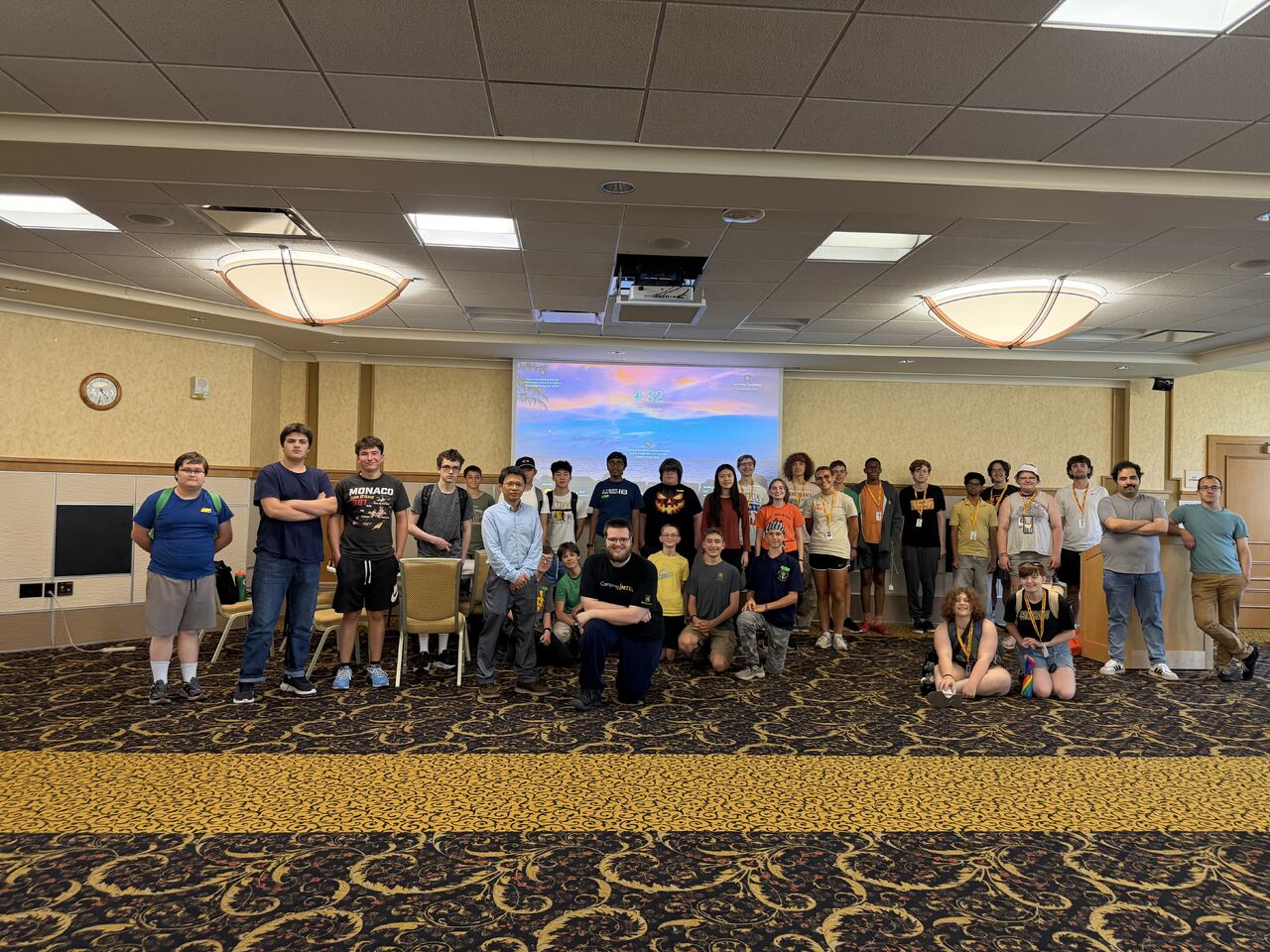
On June 30, 2026, I helped organize and contribute to a K-12 LLM security hackathon for senior K-12 students. The goal was to make LLM security concrete: students first learned the principle behind a failure mode, then applied that idea by attacking or manipulating a local LLM challenge.
My main contribution was designing the challenge flow. I built the challenges around a puzzle theme so that each task felt like a problem to reason through, not only a command to copy. The puzzles introduced students to prompt injection, jailbreaking, overthinking-style failures, and retrieval-augmented generation poisoning.
The structure mattered. For each topic, the challenge needed to be understandable enough for students who were new to LLM security, but still realistic enough to show why these problems matter. A good challenge had to teach the security idea, reveal the model behavior, and give students room to experiment.
This event was also a useful reminder for my own work: security education is strongest when students can move between explanation and hands-on evidence. When they can see a model follow a malicious instruction, leak through a weak boundary, or reason itself into a bad answer, the security principle becomes much easier to remember.
References: