Blog
Why Trust Alone Is Not Enough
A personal reflection on freedom, privacy, integrity, transparency, and independent verifiability.

Landing illustration: created with AI and supplied by the author; not an archival photograph.
My lived experiences and the history of my home country, Iran, have shaped a set of values that I deeply believe in. I think that without these principles and the structures that protect them, individuals can easily become victims of other people’s interests, ambitions, and desires, which do not necessarily align with their own.
I believe individuals should have the freedom to make independent, informed decisions without surrendering their privacy or blindly trusting powerful institutions. Technology should protect that freedom through integrity, transparency, and independent verifiability.
This statement is short, but it reflects the values that have shaped my interests and motivated me to do something meaningful to help achieve them in real life.
I think the first time I truly recognized the importance of these values was in high school, during a history class in which we were studying the coup of August 19, 1953, known in Iran as 28 Mordad.
What stayed with me was the striking contrast between the slogans heard in the streets: people who appeared to be celebrating Mohammad Mossadegh with chants of “Long live Mossadegh!” before his overthrow, and crowds shouting “Death to Mossadegh!” as his government fell.
The 1953 Iranian coup was a complex event involving foreign intelligence agencies, domestic political groups, military intervention, and organized demonstrations. Propaganda and the manipulation of information through influential newspapers, rumors, and other communication channels played an important role in shaping public perception. Understanding people’s beliefs, fears, and interests also made it possible to influence their behavior.

Image: William Arthur Cram · Wikimedia Commons source · Public domain (United States). Resized and compressed; not cropped.
Read more: U.S. Department of State: documents on the 1953 coup
That was the moment I began to understand how easily people could be manipulated, especially when information was controlled by a limited number of actors and individuals lacked independent ways to verify what they were being told.
It was also when I started recognizing a recurring pattern in the history of the country where I was born.
I wish these examples were limited to Iran, but the problem is much broader and deeper. Throughout history, similar situations have occurred in different countries, institutions, and companies.
I am not particularly concerned here with whether the final outcomes of these events were good or bad. Some may have led to positive changes, while others had devastating consequences. My concern is the mechanisms behind them and how easily individuals can become vulnerable to manipulation.
Today, many governments and corporations possess the technological capabilities to collect information about individuals, understand their preferences, influence their decisions, and control the channels through which they receive information.
These capabilities can serve beneficial purposes, but they can also be abused.
Our only defense against such actions, which can sometimes be deeply harmful, should not be trust alone.
Consider a few examples from different parts of the world:
-
Romania, 1989: A demonstration organized to celebrate a dictator turned into a public display of resistance against him.
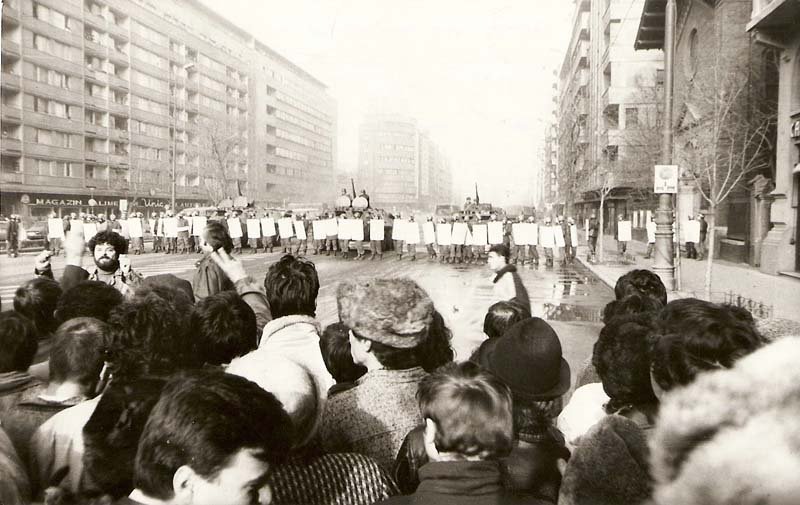
Tanks and Miliţia on Magheru Boulevard, Bucharest, December 1989. This photograph shows the revolution, not the rally described above.
Image: National Museum of Romanian History · Wikimedia Commons source · Reuse permitted with museum attribution. Resized and compressed; not cropped.
Read more: AGERPRES: December 21–22, 1989 (Romanian) -
Associated Press, 2013: A compromised social media account published false information that disrupted financial markets within minutes.

Associated Press logo, used as a representative image; not a screenshot of the hacked tweet.
Image: Associated Press · Wikimedia Commons source · Public-domain logo; trademark applies. Unmodified logo.
Read more: Associated Press reporting, via MPR News: the compromised account -
Volkswagen, 2015: Software designed to demonstrate compliance with environmental regulations was secretly programmed to deceive the tests.

Volkswagen Group logo, used as a representative image.
Image: Volkswagen AG · Wikimedia Commons source · Public-domain logo; trademark applies. Unmodified logo.
Read more: U.S. EPA: September 18, 2015 notice of violations -
Turkey, 2016: During an attempted coup, competing groups used different broadcasting channels to communicate conflicting claims about who controlled the country.
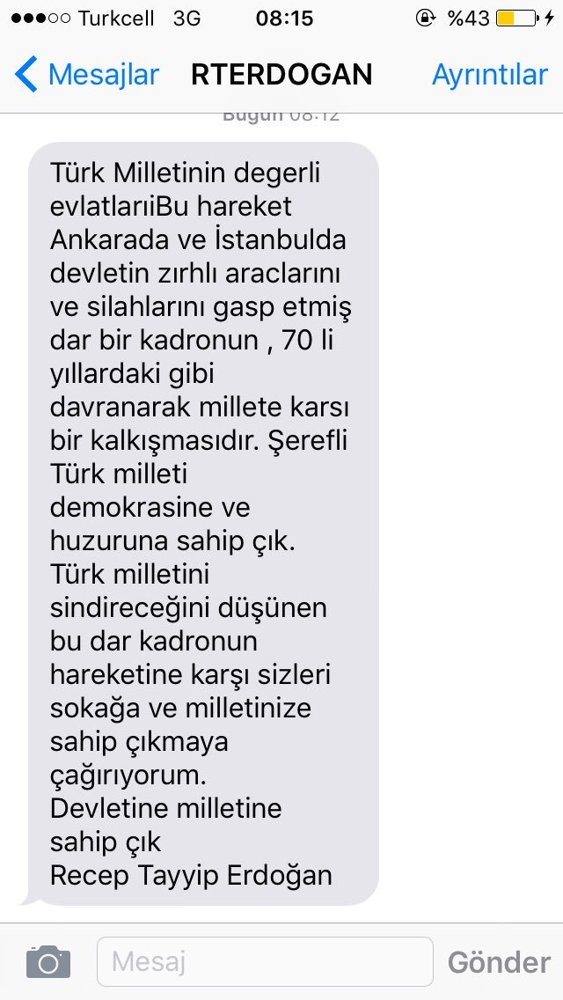
A photograph taken in 2017 of an SMS sent during the July 2016 coup attempt. It illustrates one of the communication channels used.
Image: Pivox · Wikimedia Commons source · CC BY-SA 4.0. Resized and compressed; not cropped.
Read more: CNN: reporting on TRT and Erdoğan’s CNN Türk appearance -
Theranos, 2018: A company celebrated for revolutionary medical technology faced fraud charges after serious problems with its technological claims were exposed.
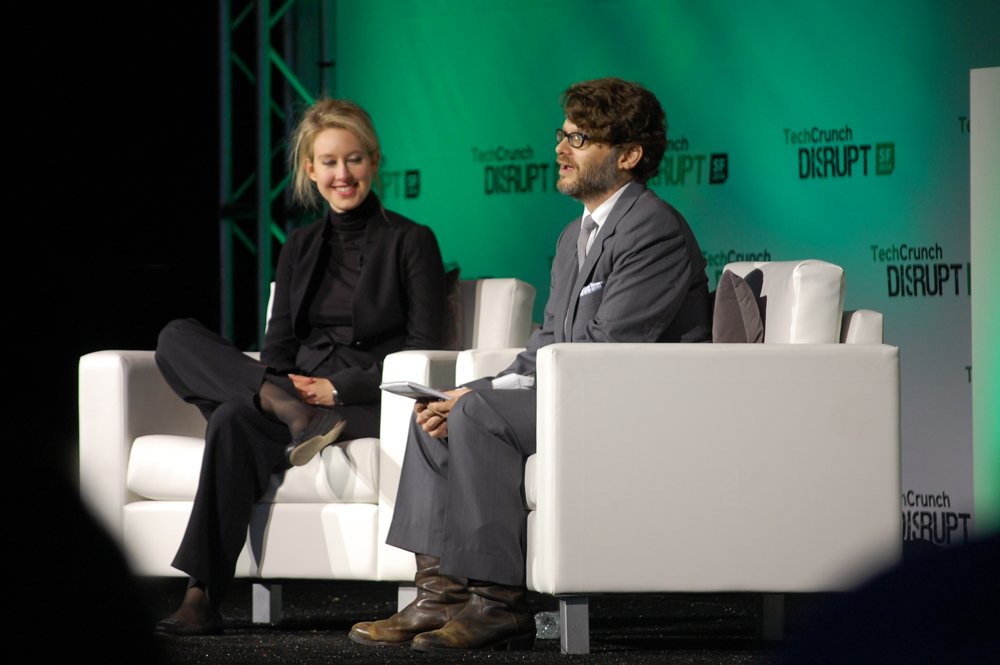
Elizabeth Holmes at TechCrunch Disrupt in 2014. Representative portrait, not a photograph of the 2018 proceedings.
Image: Kevin Krejci · Wikimedia Commons source · CC BY 2.0. Resized and compressed; not cropped.
Read more: U.S. SEC: Theranos and executives charged with massive fraud -
Wirecard, 2020: A major financial technology company disclosed that approximately €1.9 billion in reported funds likely did not exist.

Wirecard logo, used as a representative image.
Image: Wirecard AG · Wikimedia Commons source · Public-domain logo; trademark applies. PNG rendering of the original logo; not cropped.
Read more: Wirecard: June 22, 2020 management-board statement (German) -
FTX, 2022: A cryptocurrency exchange that had gained the trust of millions collapsed after customer funds were secretly misused.

FTX logo, used as a representative image.
Image: FTX · Wikimedia Commons source · Public-domain logo; trademark applies. Unmodified logo.
Read more: U.S. DOJ: customer-fund misappropriation and Bankman-Fried’s sentencing


These events are different in their causes, circumstances, and consequences. However, they all raise questions about trust, information integrity, transparency, and the ability of individuals to independently verify what they are being told.
Such problems have motivated me to become deeply interested in these subjects, particularly trust and trustworthiness.
A significant part of my motivation for pursuing a Ph.D. comes from my desire to contribute to strengthening the security and trustworthiness of technologies and systems, making them more resistant to manipulation and abuse.
I want to contribute to developing technologies that protect privacy, preserve integrity, provide transparency, and enable independent verifiability, so that individuals can exercise their freedom, maintain their independence and autonomy, and make informed decisions without being forced to blindly trust those who control the systems they depend on.
Resources
Event sources and further reading
- Iran, 1953: U.S. Department of State: documents on the 1953 coup.
- Romania, 1989: AGERPRES: December 21–22, 1989 (Romanian).
- Associated Press, 2013: Associated Press reporting, via MPR News: the compromised account.
- Volkswagen, 2015: U.S. EPA: September 18, 2015 notice of violations.
- Turkey, 2016: CNN: reporting on TRT and Erdoğan’s CNN Türk appearance.
- Theranos, 2018: U.S. SEC: Theranos and executives charged with massive fraud.
- Wirecard, 2020: Wirecard: June 22, 2020 management-board statement (German).
- FTX, 2022: U.S. DOJ: customer-fund misappropriation and Bankman-Fried’s sentencing.
Image credits
- Landing illustration: AI-generated image supplied by the author; an illustration, not an archival photograph.
- Iran, 1953: William Arthur Cram, source image, Public domain (United States). Resized and compressed; not cropped.
- Romania, 1989: National Museum of Romanian History, source image, Reuse permitted with museum attribution. Resized and compressed; not cropped.
- Associated Press, 2013: Associated Press, source image, Public-domain logo; trademark applies. Unmodified logo.
- Volkswagen, 2015: Volkswagen AG, source image, Public-domain logo; trademark applies. Unmodified logo.
- Turkey, 2016: Pivox, source image, CC BY-SA 4.0. Resized and compressed; not cropped.
- Theranos, 2018: Kevin Krejci, source image, CC BY 2.0. Resized and compressed; not cropped.
- Wirecard, 2020: Wirecard AG, source image, Public-domain logo; trademark applies. PNG rendering of the original logo; not cropped.
- FTX, 2022: FTX, source image, Public-domain logo; trademark applies. Unmodified logo.


AI disclosure: This document was polished with AI assistance. The landing image was created with AI. The other photographs and logos are credited in the image captions and Resources section.